
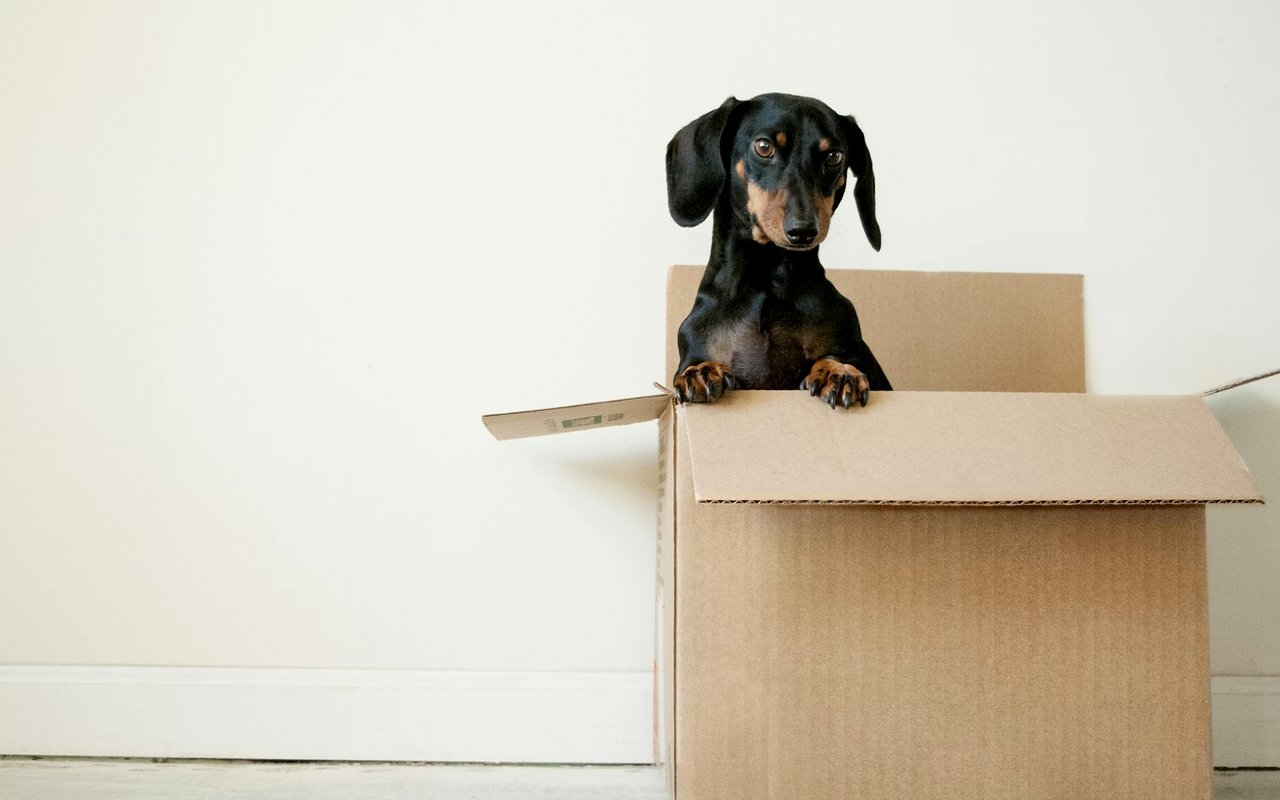
By The Richards Group
Moving is one of the most disruptive experiences a household can go through — and while you can explain what's happening to the people in your life, your pets don't get that reassurance. Dogs, cats, and other animals are acutely sensitive to changes in routine and environment, which means a move that feels manageable to you can feel genuinely destabilizing to them. With a little preparation, it doesn't have to. Here are five practical tips for moving with pets that will protect your animal's well-being from the first packed box to the first night in your new Toronto home.
Key Takeaways
-
Preparation weeks before moving day reduces pet anxiety far more than any last-minute intervention.
-
Routine consistency throughout the process is the single most effective thing you can do for your animal.
-
Moving day itself requires a deliberate plan for your pet — not an improvised one.
-
Most pets need two to four weeks to fully settle, and patience during that window pays off.
Tip 1: Start Preparing Your Pet Early
The owners who handle this best don't start thinking about their pets on moving day — they start weeks before. Animals pick up on environmental changes immediately, and early introduction to the idea of transition makes the final day far less overwhelming.
Ways to Ease Your Pet into the Process
-
Bring moving boxes into your living space early so your pet can investigate them on their own terms
-
Leave carriers or crates out with familiar bedding inside well before the move so they feel like a comfort rather than a threat
-
Maintain regular walk, feeding, and play schedules throughout the packing phase
-
If your pet is prone to anxiety, speak with your vet about whether a calming supplement is appropriate for the transition period
In Toronto, where many moves involve elevators, busy streets, and tight urban spaces, a calm and carrier-comfortable pet is genuinely easier to manage on a hectic day.
Tip 2: Update ID and Records Before You Move
This is the most commonly skipped step — and the one people most regret. Moving is one of the highest-risk times for a pet to go missing. Open doors, unfamiliar surroundings, and stressed animals are a combination that leads to more escapes than owners expect.
What to Handle Before Moving Day
-
Update your pet's microchip registration with your new address and phone number directly through the chip's registry
-
Order a new ID tag engraved with your new address before the move, not after
-
Transfer your pet's veterinary records to a clinic near your new neighbourhood ahead of time
-
Toronto dog owners are required to hold a City of Toronto dog licence — update your address if moving within the city, or register within 30 days if moving in from elsewhere
These tasks take minutes and matter enormously if something goes wrong.
Tip 3: Have a Real Plan for Moving Day
Moving day is loud, chaotic, and full of open doors — none of which suits an anxious animal. The families that manage this best have a deliberate plan for where their pet will be all day, rather than improvising around movers and boxes.
Approaches That Actually Work
-
Board your pet for the full day with a kennel, daycare, or trusted friend who can keep them calm and contained - Come Play Stay in The Beaches has collaborated with us to offer 10% off for pet boarding during your move.
-
If your pet stays home, designate one empty room as their safe space with their bed, water, and a familiar toy — and keep the door closed with a sign for movers
-
Assign one person whose only job is the pet, not boxes or directions
-
Keep feeding and medication schedules intact even on moving day — skipping meals adds physical stress on top of emotional stress
In a Toronto semi-detached or townhouse, movers will have the front door open for extended stretches. Any plan that assumes the door stays closed is not a safe one.
Tip 4: Set Up Your Pet's Space First
When you arrive at the new home, your pet's first impression matters. Walking them into an empty, unfamiliar space full of boxes creates unnecessary anxiety. A small amount of setup before you let them explore changes the experience significantly.
How to Create an Immediate Safe Space
-
Before anything else is unloaded, set up one room with your pet's bed, food, water, and a few items carrying familiar scents
-
Give your pet unrushed time in that room before introducing the rest of the home
-
For dogs, a walk around the new neighbourhood before entering the home helps them arrive curious rather than overwhelmed
-
Don't immediately wash their bedding — familiar smells are genuinely comforting in a new environment and the clean version can wait
Cats in particular benefit from a room-by-room introduction over several days rather than full access at once.
Tip 5: Give Your Pet Time to Settle
Even with excellent preparation, most pets need two to four weeks to fully adjust to a new home. Behavioural changes during this period are normal — the goal is to support your pet through it rather than treat every off day as a setback.
How to Support the Adjustment
-
Reduced appetite, extra hiding, or unusual clinginess in the first two weeks are common and typically resolve as routine is re-established
-
Consistent walk times, feeding schedules, and play sessions in the new home accelerate adjustment more than anything else
-
Reintroducing familiar toys and furniture arrangements from your previous home provides continuity
-
If significant behavioural changes persist beyond three to four weeks, your vet is the right next call
Toronto's East End is exceptionally pet-friendly, with off-leash parks and walkable streets that make neighbourhood exploration a genuine pleasure for pets and owners alike.
FAQs: Moving with Pets
How long does it typically take for a cat to adjust to a new home?
Most cats begin to settle within two to four weeks. Gradual room-by-room introduction and a consistent daily routine speeds the process up considerably.
Should my pet stay home or go elsewhere on moving day?
Boarding your pet for the day — with a kennel, daycare, or trusted friend — is almost always the better option. It removes them from the chaos entirely and eliminates the risk of escape through an open door.
What do I do if my pet escapes during the move?
Contact Toronto Animal Services immediately and file a found animal report. Post on neighbourhood apps with a recent photo. Check small enclosed spaces nearby first — frightened animals tend to hide close to where they escaped rather than travel far.
Your Move Matters — All of It
At The Richards Group, we've spent over two decades helping Toronto's East End families navigate every dimension of what a move actually involves. We know the details that matter go well beyond the listing. Our clients come back, and they send their friends and family, because we treat every move as the defining moment it is.
When you're ready for yours, we'd love to be there. Connect with The Richards Group today.
When you're ready for yours, we'd love to be there. Connect with The Richards Group today.