
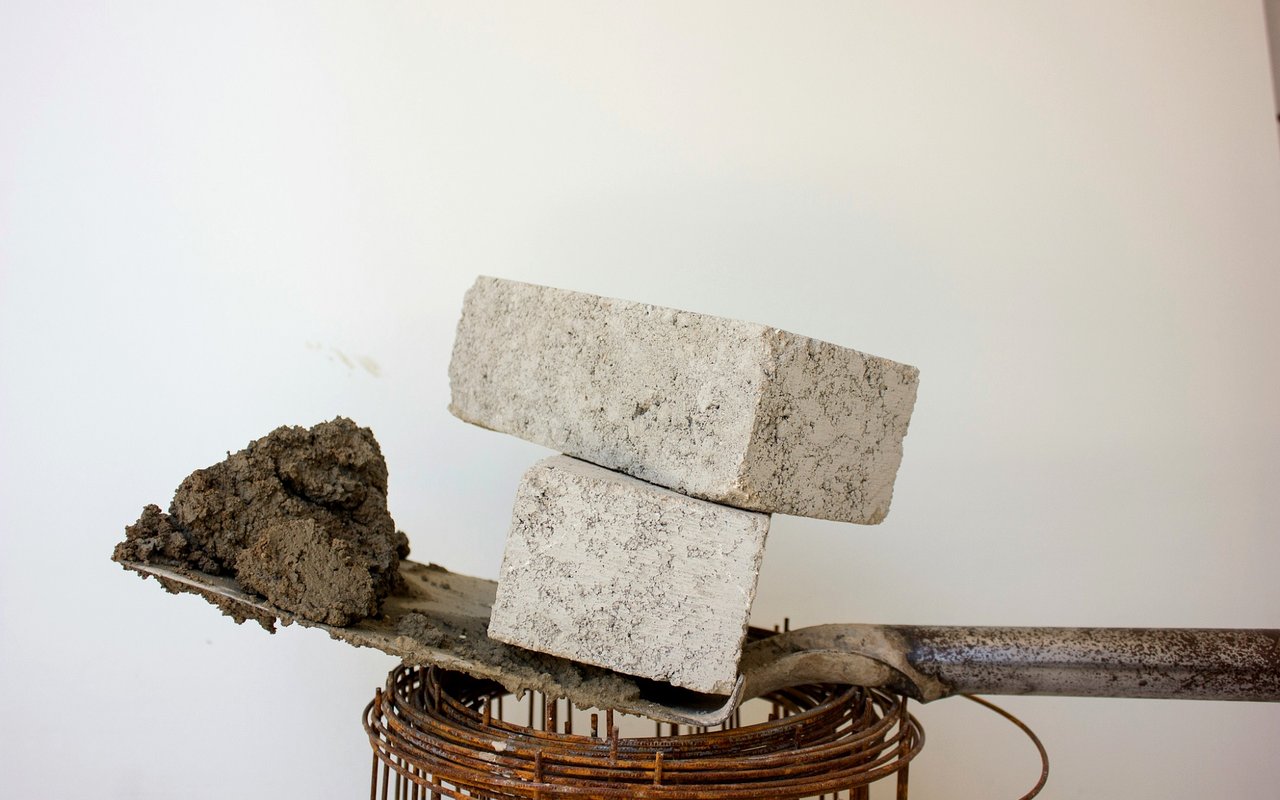
Before the light comes through the windows. Before the floors hold your footsteps. Before the walls frame the life happening inside them — there is the foundation.
It doesn't announce itself. It doesn't ask for attention. But everything you love about your home rests on it, quietly, every single day.
In The Beaches, where homes carry decades of history and where the ground beneath them has endured Toronto winters, clay-heavy soil, and the particular pressures of a neighbourhood built close to the lake — foundation care is one of the most important things a homeowner can attend to. And one of the most overlooked.
At The Richards Group, we've seen what happens when foundations are carefully maintained and when they aren't. Here is what we want every homeowner in this neighbourhood to know.
Why Foundation Maintenance Matters
A home's foundation does one job: it holds everything up. When it's compromised — by water, by soil movement, by age, by neglect — the effects travel upward through the entire structure.
Cracks in walls. Doors that won't close cleanly. Floors that develop an unexpected lean. These aren't cosmetic inconveniences. They're messages. And the longer they go unanswered, the more expensive the conversation becomes.
Foundation repair is among the costliest work a homeowner can face. Prevention, by contrast, is largely a matter of consistent attention.
Cracks in walls. Doors that won't close cleanly. Floors that develop an unexpected lean. These aren't cosmetic inconveniences. They're messages. And the longer they go unanswered, the more expensive the conversation becomes.
Foundation repair is among the costliest work a homeowner can face. Prevention, by contrast, is largely a matter of consistent attention.
Understanding What Your Foundation Is Up Against
In Toronto — and especially in East Toronto's older neighbourhoods — foundations face a specific set of pressures worth understanding.
Soil Composition
Much of Toronto sits on clay-heavy soil. Clay expands when it absorbs water and contracts when it dries. This seasonal movement, called frost heave in winter and shrinkage in summer, puts cyclical pressure on foundation walls year after year. Older foundations weren't always built to modern standards — some have less tolerance for this movement than others.
The Toronto Freeze-Thaw Cycle
Toronto's winters are hard on foundations in a very specific way. Water infiltrates small cracks, freezes, expands, and widens those cracks — then thaws, retreats, and repeats. Over years, this cycle can turn a hairline crack into a structural concern. Catching it early changes the outcome entirely.
Age and Original Construction
Many homes in The Beaches date back to the early and mid-twentieth century. Foundations from this era — poured concrete, stone, or brick — were built with the materials and methods of their time. They can be remarkably durable. They can also have limitations that modern foundations don't. Knowing what you have matters.
The Most Important Thing You Can Do: Manage Water
If there is one principle at the centre of foundation maintenance, it's this — keep water away from your foundation. Most foundation problems trace back to water. Manage water well, and you eliminate the majority of your risk.
Here's how that looks in practice.
Here's how that looks in practice.
Grade Your Yard Away From the House
The ground around your home should slope away from the foundation — not toward it. A slope of roughly six inches over the first ten feet is the standard recommendation. If your yard has settled flat or toward the house over the years, regrading is worth the investment.
Walk your property after a heavy rain. Where does the water go? If it pools against the foundation, you have your answer.
Walk your property after a heavy rain. Where does the water go? If it pools against the foundation, you have your answer.
Keep Gutters and Downspouts Clear
Gutters exist to carry water off the roof and away from the structure. When they're clogged — with leaves, debris, the remnants of last autumn — they overflow. That overflow runs down the exterior walls and collects at the base of the foundation, exactly where you don't want it.
Clean your gutters at least twice a year: once in late spring after the seeds fall, once in late fall after the leaves do. Extend downspouts at least six feet from the foundation. It's a small effort with an outsized return.
Clean your gutters at least twice a year: once in late spring after the seeds fall, once in late fall after the leaves do. Extend downspouts at least six feet from the foundation. It's a small effort with an outsized return.
Check Your Window Wells
Basement windows with wells can become collection points for water if the well fills with debris or if the drainage at the base is compromised. Keep them clear. Make sure they drain. A simple plastic cover can prevent a surprising amount of water intrusion.
Consider Your Landscaping
Tree roots seek moisture. Planted too close to the house, large trees can direct water toward the foundation — and in some cases, roots can physically pressure foundation walls over time. Shrubs and flower beds directly against the foundation can also trap moisture. A small gap between plantings and the structure allows air circulation and reduces saturation.
Inspecting Your Foundation: What to Look For
You don't need to be a structural engineer to keep meaningful watch over your foundation. Regular visual inspections — twice a year, ideally in spring and fall — can catch changes early.
Types of Cracks
Not all cracks mean the same thing.
Hairline cracks — very fine, surface-level — are common in poured concrete foundations and often result from normal curing and settling. Monitor them. Mark the ends with a pencil and date it, so you can tell if they're growing.
Horizontal cracks are more serious. They can indicate lateral soil pressure — the ground pushing in against the wall. These warrant a professional assessment.
Stair-step cracks in block or brick foundations follow the mortar joints and can indicate settling or movement. The width and direction matter — a professional should evaluate anything significant.
Vertical cracks vary in severity depending on their width and whether they're growing. Small, stable vertical cracks are often of low concern. Wide, growing, or offset ones are not.
The rule is simple: if a crack is new, growing, wider than a quarter inch, or accompanied by other symptoms — get a structural engineer or foundation specialist to look at it.
Hairline cracks — very fine, surface-level — are common in poured concrete foundations and often result from normal curing and settling. Monitor them. Mark the ends with a pencil and date it, so you can tell if they're growing.
Horizontal cracks are more serious. They can indicate lateral soil pressure — the ground pushing in against the wall. These warrant a professional assessment.
Stair-step cracks in block or brick foundations follow the mortar joints and can indicate settling or movement. The width and direction matter — a professional should evaluate anything significant.
Vertical cracks vary in severity depending on their width and whether they're growing. Small, stable vertical cracks are often of low concern. Wide, growing, or offset ones are not.
The rule is simple: if a crack is new, growing, wider than a quarter inch, or accompanied by other symptoms — get a structural engineer or foundation specialist to look at it.
Interior Signs to Watch
The foundation speaks through the rest of the house, too. Pay attention to:
- Doors or windows that suddenly stick or won't latch properly
- Floors that feel uneven or sloped where they didn't before
- Visible gaps between walls and ceilings or floors
- Efflorescence — white, chalky deposits on basement walls — which signals water movement through the masonry
- Damp smells or visible moisture in the basement
Any of these, appearing without an obvious explanation, is worth investigating.
Waterproofing: Interior vs. Exterior
When water does find its way in, homeowners are often presented with two approaches to address it.
Interior Waterproofing
Interior systems — drainage channels, sump pumps, interior membrane applications — manage water after it enters the wall. They can be effective and are generally less disruptive and less expensive than exterior work. A quality sump pump with a battery backup is a sound investment in any basement that has seen moisture.
Exterior Waterproofing
Exterior waterproofing addresses the source — applying membrane coatings, installing drainage board, and ensuring proper weeping tile around the foundation perimeter. It requires excavation and is a more significant undertaking, but it's the more comprehensive solution for chronic or significant water intrusion.
Which approach is right depends on the severity of the problem, the age and construction of the foundation, and your budget. A reputable foundation contractor — not one with an interest in selling you the most expensive option — can help you make that call clearly.
Which approach is right depends on the severity of the problem, the age and construction of the foundation, and your budget. A reputable foundation contractor — not one with an interest in selling you the most expensive option — can help you make that call clearly.
Maintenance Through the Seasons
Foundation care in Toronto has a rhythm to it. Here's how we think about it throughout the year.
Spring — Inspect for any new cracks or movement that appeared over winter. Check drainage around the foundation after snowmelt and early rains. Clean gutters. Confirm downspouts are directing water well clear of the house.
Summer — Watch for soil shrinkage pulling away from the foundation, which can create channels for water to run down when fall rains arrive. Keep plantings trimmed back. Address any grading issues identified in spring.
Fall — Clean gutters again before the heavy rains and the freeze begin. Check window wells. Seal any new cracks before they're exposed to the freeze-thaw cycle.
Winter — Make sure snow is not piling directly against foundation walls. Ensure sump pump discharge lines won't freeze. Minimize where you can, monitor where you can't.
Spring — Inspect for any new cracks or movement that appeared over winter. Check drainage around the foundation after snowmelt and early rains. Clean gutters. Confirm downspouts are directing water well clear of the house.
Summer — Watch for soil shrinkage pulling away from the foundation, which can create channels for water to run down when fall rains arrive. Keep plantings trimmed back. Address any grading issues identified in spring.
Fall — Clean gutters again before the heavy rains and the freeze begin. Check window wells. Seal any new cracks before they're exposed to the freeze-thaw cycle.
Winter — Make sure snow is not piling directly against foundation walls. Ensure sump pump discharge lines won't freeze. Minimize where you can, monitor where you can't.
When to Call a Professional
Some foundation work is genuinely DIY-accessible: cleaning gutters, extending downspouts, regrading a small section of yard, applying hydraulic cement to a minor crack. These are reasonable homeowner tasks.
Others are not. If you're seeing horizontal cracks, significant water infiltration, structural symptoms elsewhere in the house, or anything that's changed noticeably in a short time — stop monitoring and start calling.
A structural engineer provides an independent assessment with no product to sell you. For significant concerns, start there before engaging contractors.
For foundation maintenance Toronto homeowners should also know that the City of Toronto and many insurance providers have resources and programs related to basement flooding protection. It's worth understanding what's available to you.
Others are not. If you're seeing horizontal cracks, significant water infiltration, structural symptoms elsewhere in the house, or anything that's changed noticeably in a short time — stop monitoring and start calling.
A structural engineer provides an independent assessment with no product to sell you. For significant concerns, start there before engaging contractors.
For foundation maintenance Toronto homeowners should also know that the City of Toronto and many insurance providers have resources and programs related to basement flooding protection. It's worth understanding what's available to you.
Frequently Asked Questions
How often should I have my foundation professionally inspected?
For most homes, a professional inspection every five to ten years is a reasonable baseline — more frequently if your home is older, has had past water issues, or sits in an area with known soil movement. Annual visual self-inspections should happen regardless.
Can I seal foundation cracks myself?
Small, stable, non-structural cracks can often be addressed with hydraulic cement, epoxy injection, or polyurethane foam — these are products available at hardware stores and reasonably accessible for DIYers. Larger, growing, or structural cracks should be assessed and repaired by a professional.
Does homeowner's insurance cover foundation damage?
It depends on the cause. Sudden, accidental damage — such as a burst pipe causing flooding — may be covered. Damage from gradual water infiltration, settling, or neglect typically is not. Review your policy carefully, and speak with your broker about overland water and sewer backup endorsements, which are increasingly relevant for Toronto homeowners.
How does Toronto's freeze-thaw cycle affect foundation cracks?
Significantly. Water in existing cracks freezes, expands, and forces the crack wider — then thaws and the cycle repeats. Even hairline cracks can grow meaningfully over a few winters if left unaddressed. Sealing cracks before winter is one of the most cost-effective protective measures available.
My basement smells damp but I don't see any water. Should I be concerned?
Yes. A persistent damp smell often indicates moisture moving through the foundation or concrete even without visible water. Efflorescence, mold on walls or framing, or elevated humidity in the basement are related indicators. A foundation specialist or moisture assessment can identify the source before it develops further.
The Ground Beneath Everything
A home in The Beaches is a particular kind of inheritance. The streets, the trees, the way the neighbourhood exhales in summer — it's a life, not just an address. And that life is built on something real.
Foundation maintenance Toronto homeowners invest in isn't glamorous work. It won't appear in renovation features or listing photographs. But it is, quietly, one of the most meaningful things you can do for the home you've chosen.
At The Richards Group Re/Max Hallmark — East Toronto's #1 Real Estate Brokerage, we believe that taking care of a home is an act of respect — for the craftsmanship of the people who built it, and for the life you're building inside it. We're here to help you understand what you own, protect what you've invested in, and find your place in one of Toronto's most enduring neighbourhoods.
Foundation maintenance Toronto homeowners invest in isn't glamorous work. It won't appear in renovation features or listing photographs. But it is, quietly, one of the most meaningful things you can do for the home you've chosen.
At The Richards Group Re/Max Hallmark — East Toronto's #1 Real Estate Brokerage, we believe that taking care of a home is an act of respect — for the craftsmanship of the people who built it, and for the life you're building inside it. We're here to help you understand what you own, protect what you've invested in, and find your place in one of Toronto's most enduring neighbourhoods.