By The Richards Group Re/Max Hallmark - East Toronto's #1 Real Estate Brokerage
Late September light comes through a Beaches front window at a low angle and lands on a hundred-year-old newel post. That light is an asset, and most sellers never think to clear the way for it. Staging here isn't about turning a house into a showroom — it's about letting a buyer feel the life this street already offers, and here's how we go about it.
Key Takeaways
- Buyers in The Beaches are shopping for light, flow, and porch life as much as square footage.
- Century details are worth revealing rather than smoothing over.
- The entry, the main living space, and the primary bedroom carry most of the weight.
- Our in-house design and property styling team handles staging as part of the listing process.
What Are Buyers in The Beaches Really Shopping For?
They're buying a Saturday morning. The boardwalk, the Queen Street East coffee run, the porch where the neighbours stop — that's the product, and the house is how you get access to it. Staging works when it makes that daily rhythm easy to picture from the front hall.
Where Their Attention Goes
- The front porch and entry set expectations before anyone sees a single room, so a clean painted floor and one good chair do more than a full furniture package inside.
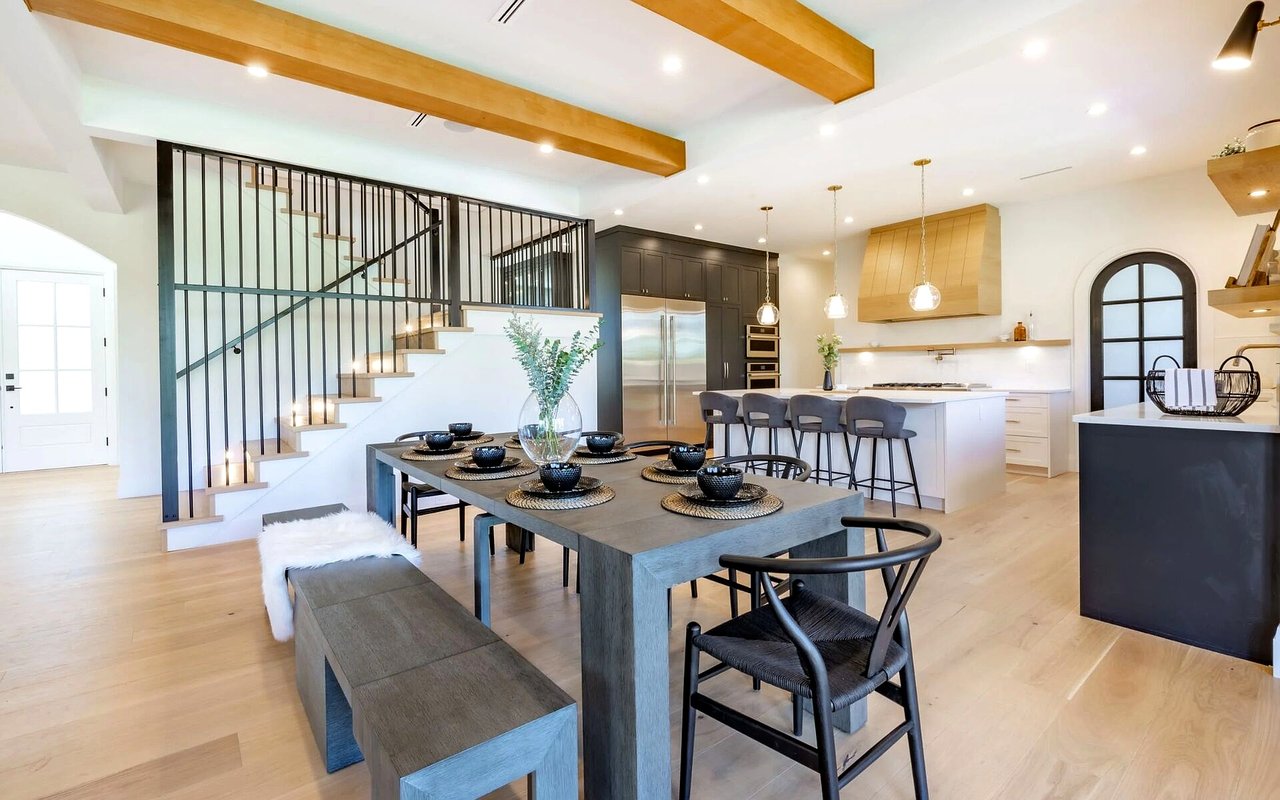
- Natural light reads as space in these narrow lots, which makes sheer window treatments and a mirror on the wall opposite a window two of the cheapest moves available.
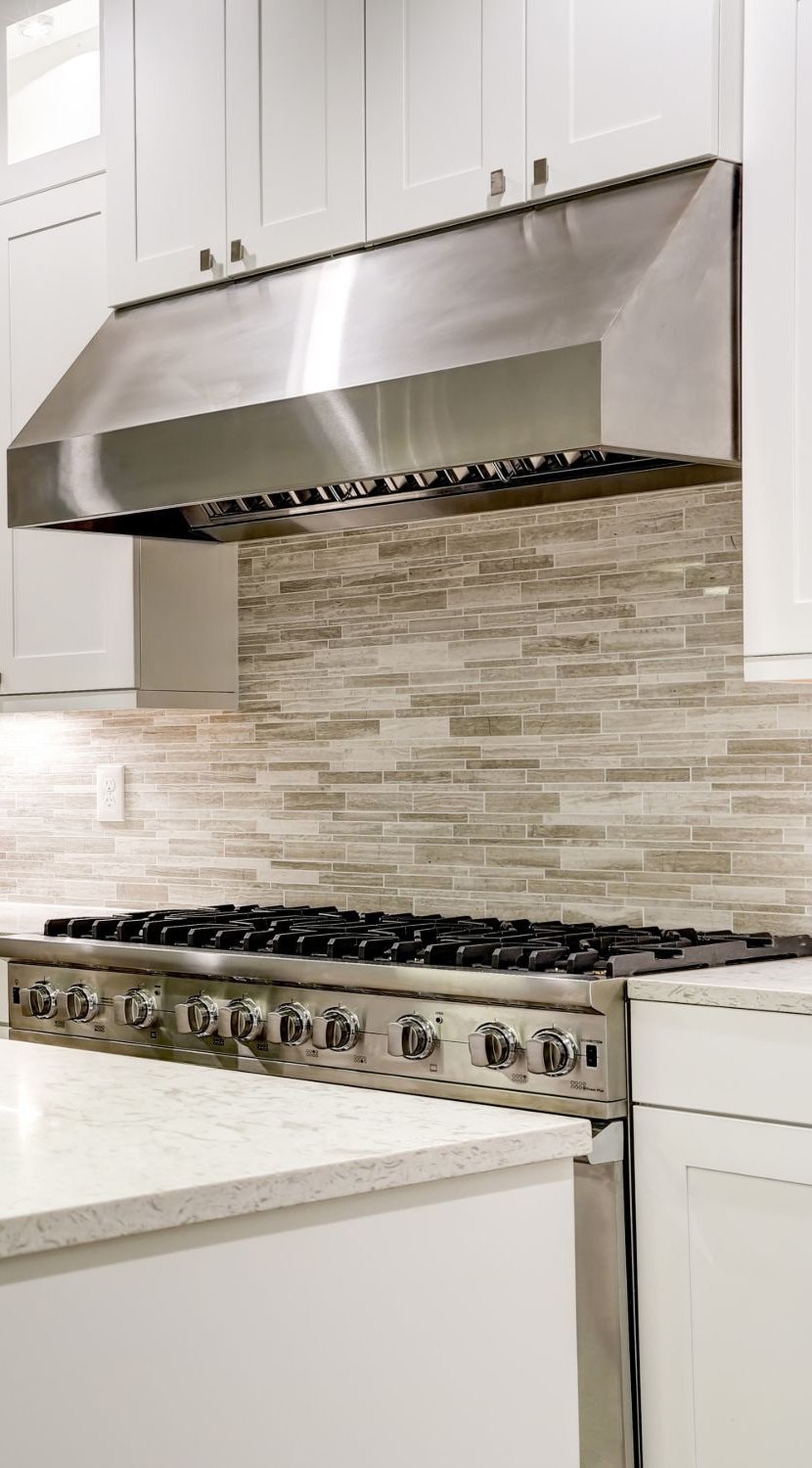
- Buyers here look for a working family kitchen rather than a showpiece, so clear counters and one bowl of something seasonal land better than styling props.
- Outdoor space of any size gets weighed carefully, and even a small back deck with a table and two chairs reads as a room.
How Do You Stage a Century Home Without Flattening It?
The oldest houses in The Beaches came up between the 1890s and the 1920s, and their details are the reason buyers choose them. Original trim, stained glass, pocket doors, and fireplace surrounds carry value that no accessory can replace. Our approach is to give those elements room rather than compete with them.
Working With What's Already There
- Pull furniture off the walls and away from millwork so the trim and the ceiling height are visible in photographs.
- Keep the palette quiet — warm whites, soft clay and deep green let original woodwork read as intentional rather than dated.
- Leave stained glass uncovered and unstyled; it photographs beautifully, and it's the detail people remember on the drive home.
- Swap heavy period furniture for lighter contemporary pieces, which creates a contrast that makes the architecture feel current rather than preserved.
Which Rooms Repay the Effort Most?
Not all of them, and that's the useful part. Buyers form an opinion in the first few metres and confirm it upstairs. Spending the budget where the decision actually happens is how staging pays for itself.
Where to Spend the Weekend
- The entry and front room, because this is where a buyer decides whether to slow down or keep moving.
- The primary bedroom, styled as a retreat with layered bedding, two lamps, and nothing stored under the bed.
- The kitchen, where a fresh coat on cabinet doors and updated hardware read as a renovation for a fraction of the cost.
- Any room currently doing two jobs — a dining room with a desk in it should go back to being a dining room before the photos.
- The basement, which is worth clearing completely so the ceiling height and the mechanicals speak for themselves.
What Should Happen Before the Photographer Arrives?
Photography is the listing for most buyers, since they've formed an opinion long before they climb your front steps. The week before the shoot is where a plan turns into results, and it's mostly editing rather than adding.
The Week Before Listing
- Remove roughly a third of the furniture and most of the personal photographs, which makes rooms read larger without looking unlived in.
- Wash the windows inside and out, since the light doing the work in these houses arrives through glass.
- Replace every bulb in a room with the same warm temperature so the photographs don't come back with three different colours of light.
- Book the shoot for the time of day that suits the house — a south-facing Beaches living room is a different room at four in the afternoon than at ten in the morning.
- Walk the selling process with us early, because the staging plan and the pricing plan work best when they're built together.
FAQs
Does staging actually change the outcome?
In our experience, it changes how quickly a house gathers attention in its first ten days, which is the window that sets everything after it. Presentation and pricing work as a pair rather than as separate decisions.
Do we need to move out to stage?
Rarely. Most Beaches listings we prepare are occupied, and the work is a mix of editing, reorganizing, and bringing in a few pieces. Our styling team builds around how you're living.
What should we do first if we're selling in the spring?
Start with paint, light, and decluttering, then let the market conversation follow. A current sense of value helps you decide how far to take the rest.
Connect with The Richards Group Re/Max Hallmark - East Toronto's #1 Real Estate Brokerage Today
Staging is design work, and we treat it that way. The Richards Group keeps an in-house design and property styling team precisely because the difference between a house that photographs well and one that sells well is the same difference: intention.
When your home is ready, the light does the rest. Reach out to The Richards Group Re/Max Hallmark - East Toronto's #1 Real Estate Brokerage, and let's build the plan that gets your Beaches house in front of the people already dreaming about this street.
When your home is ready, the light does the rest. Reach out to The Richards Group Re/Max Hallmark - East Toronto's #1 Real Estate Brokerage, and let's build the plan that gets your Beaches house in front of the people already dreaming about this street.