By The Richards Group
Luxury real estate in Toronto has always reflected something bigger than square footage and finishes. The homes that command attention in neighbourhoods like Rosedale, Forest Hill, and the Bridle Path tell a story about how people want to live — and in 2026, that story has shifted in some genuinely interesting ways. Whether you're designing a custom build, preparing a luxury property for sale, or simply refining your wish list, these are the trends defining the top end of the market right now.
Key Takeaways
-
Warm, natural materials have replaced the cold minimalism that dominated luxury interiors for the past decade.
-
Dedicated wellness spaces — beyond the standard home gym — have become a genuine selling feature at the high end.
-
Indoor-outdoor living has evolved from a seasonal amenity into a year-round design priority, even in Toronto's climate.
-
Technology integration is now expected to be invisible — seamlessly embedded rather than prominently displayed.
Warm Minimalism Has Replaced Cold Minimalism
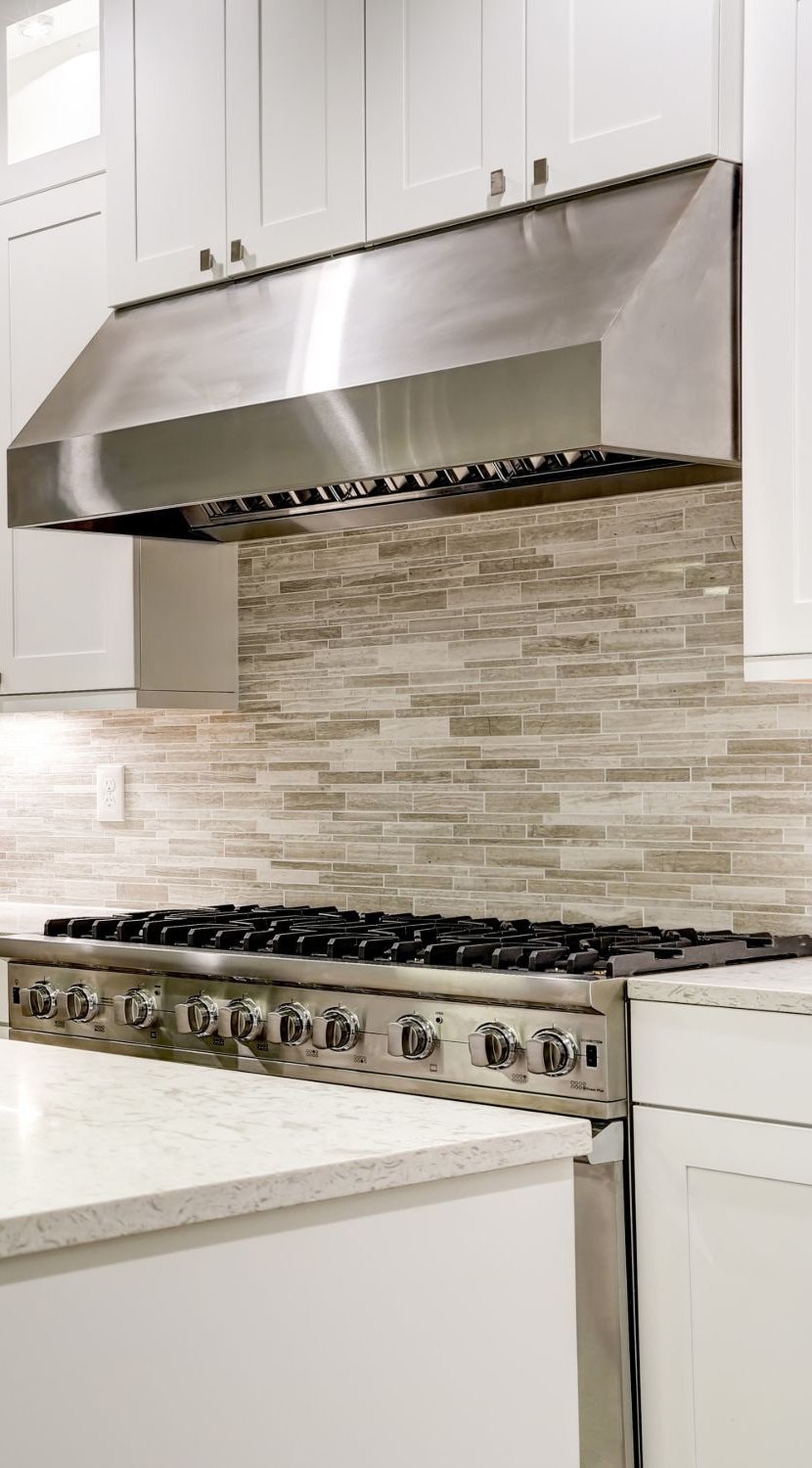
The all-white, marble-and-chrome aesthetic that defined Toronto luxury interiors through the mid-2010s is giving way to something warmer and more textured. Buyers at the high end are gravitating toward spaces that feel curated and livable rather than pristine and staged.
Materials and Tones Leading the Shift
-
Travertine, limewash plaster, and honed limestone are replacing polished marble and glossy tile as the preferred surface finishes
-
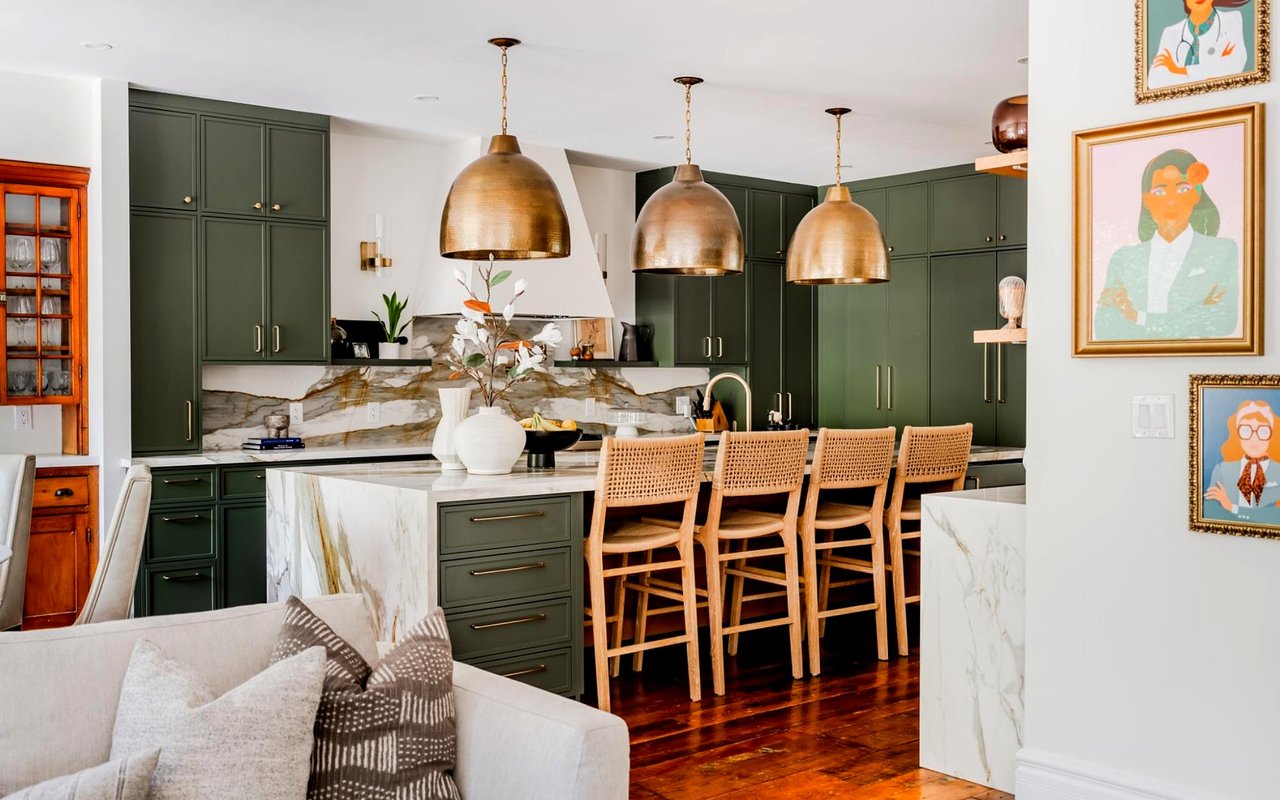
Warm white oak and walnut millwork is appearing in everything from kitchen cabinetry to built-in libraries and primary bedroom wardrobes
-
Terracotta, warm taupe, sage, and deep ochre are emerging as the palette of choice in place of cool greys and bright whites
-
Aged brass, unlacquered bronze, and blackened steel hardware are preferred over brushed nickel and polished chrome
The overall effect is interiors that feel intentional and serene rather than showroom-perfect
Wellness Spaces Have Become Non-Negotiable
The home gym was a luxury amenity five years ago. In 2026, it's a baseline expectation. What's risen to the level of genuine differentiation is the broader concept of dedicated wellness — spaces designed specifically for recovery, restoration, and mental decompression.
What Wellness Looks Like in a 2026 Luxury Home
-
Cold plunge and hot-cold contrast therapy installations, often paired with an in-home sauna as a full recovery suite
-
Dedicated meditation or breathwork rooms with acoustic treatment, controlled lighting, and purpose-built ventilation
-
Spa-calibre primary bathrooms with heated stone floors, steam showers, soaking tubs positioned toward natural light, and separate vanity areas
-
Biophilic design elements throughout — living walls, indoor water features, and intentional natural light strategies — rather than greenery as a decorative afterthought
Toronto buyers purchasing in the $3 million and above range increasingly treat wellness infrastructure the same way they treated a chef's kitchen fifteen years ago: as a fundamental requirement rather than a luxury add-on.
Indoor-Outdoor Living Has Evolved for Four-Season Use
Luxury outdoor spaces in Toronto used to mean a beautiful terrace that functioned for five months of the year. The design conversation in 2026 is about how to extend that to twelve — and the solutions available have become genuinely sophisticated.
How High-End Toronto Homes Are Extending Outdoor Living
-
Heated covered loggias with retractable glass walls that seal against winter wind while maintaining sightlines to the garden
-
Radiant heat systems embedded in outdoor stone and tile flooring, extending usable terrace season well into November
-
Outdoor kitchens with fully weatherized appliances, custom cabinetry, and integrated fire features designed for year-round use
-
Landscape design that incorporates winter interest — structure, texture, and lighting — so that the garden is as considered in February as it is in July
In established neighbourhoods like Lawrence Park and Moore Park, outdoor spaces designed with this level of intention have become a meaningful differentiator between comparable properties on the same street.
Technology Integration Has Gone Invisible
The smart home of 2015 announced itself. Screens on walls, visible control panels, and gadgetry that required a manual to operate were treated as selling points. The luxury buyer of 2026 wants none of that visible. The expectation is that technology disappears into the architecture entirely.
What Invisible Integration Looks Like in Practice
-
Whole-home automation controlled through a single intuitive interface — or increasingly through voice and presence sensing — with no hardware visible on walls
-
Motorized window treatments, lighting scenes, and HVAC zoning that respond to time of day and occupancy without manual adjustment
-
In-ceiling and in-wall speaker systems that deliver concert-quality audio with zero visible hardware
-
EV charging infrastructure, home battery backup systems, and solar integration that are built into the home's mechanical core rather than retrofitted after the fact
FAQs: Luxury Home Design Trends
Which 2026 design trends add the most resale value in Toronto's luxury market?
Wellness infrastructure and year-round outdoor living spaces are currently generating the strongest buyer response in Toronto's high-end segment. Finishes and palette trends move faster, but structural investments in recovery rooms, outdoor living, and seamless technology integration tend to hold their value across market cycles.
Is it worth updating finishes before listing a luxury home in Toronto?
In most cases, yes — but selectively. Targeted updates to kitchens, primary bathrooms, and lighting that bring the home in line with current buyer expectations consistently outperform the cost of the update at the high end. A full renovation is rarely necessary; strategic refinement usually is.
How important is interior design in Toronto's luxury market right now?
Extremely. In a market where buyers have more inventory and more time to be selective than they've had in years, presentation quality is a direct factor in both days on market and final sale price. Luxury buyers are making emotional decisions with rational justifications — the way a home feels on a first walk-through shapes everything that follows.
A Team That Understands What Luxury Buyers Are Looking For
At The Richards Group, we know that a move at the high end of the market is one of the most consequential decisions you'll make — and that the difference between a good outcome and a great one often comes down to who's guiding the process. With over two decades of experience and having helped more families in Toronto's East End than any other agency, we bring the local expertise and genuine commitment to outcomes that this kind of decision deserves.
Our clients come back, and they send the people they care about. When it's time for your next move, we'd love to be part of it. Connect with The Richards Group today.
Recommended reading: Top Design Tips for Your Home in The Beaches, Toronto, Ontario
Our clients come back, and they send the people they care about. When it's time for your next move, we'd love to be part of it. Connect with The Richards Group today.
Recommended reading: Top Design Tips for Your Home in The Beaches, Toronto, Ontario